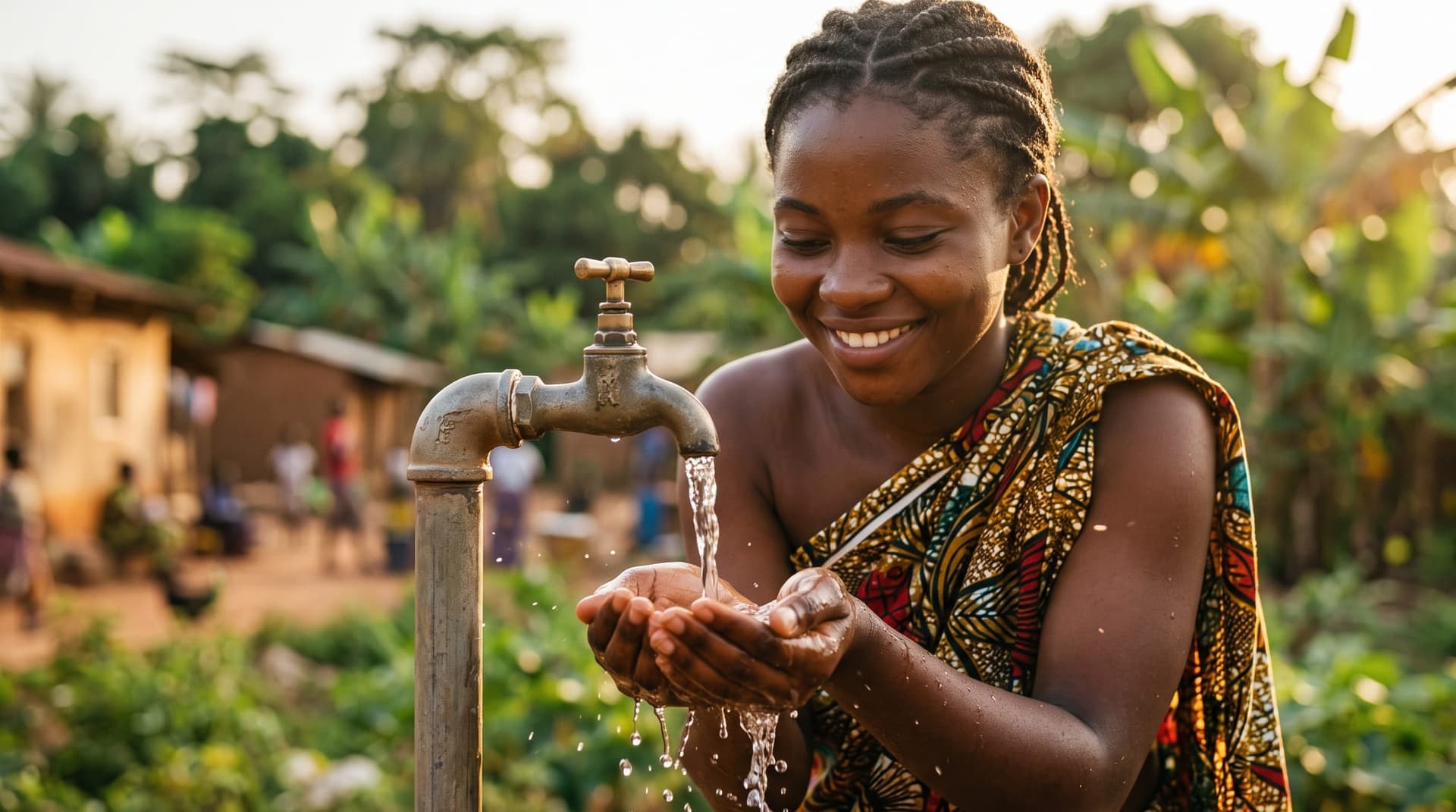
Clean water
Global Impact of Clean Water on Health and Development
Clean water initiatives play a crucial role in shaping the health and development of communities. By improving access to safe water, they reduce disease, foster well-being and enable long-term growth.
Clean water initiatives play a crucial role in shaping the health and development of communities around the world. By improving access to safe water, these initiatives help reduce diseases, foster well-being, and enable long-term community development.
Addressing health risks with clean water
One of the most significant benefits of clean water is the reduction of health risks. Contaminated water is a primary source of illnesses such as diarrhea, cholera and typhoid. In regions where clean water is available, communities see fewer instances of waterborne disease, leading to healthier populations and stronger community resilience.
Boosting education and economic opportunities
Clean water access has a direct impact on education and economic stability. In areas where water is scarce, children — especially girls — are often responsible for fetching water, which takes time away from school. With clean water available, more children attend school regularly, and families have more time for economic activity.
Accountability for water access
When clean water initiatives fall short, communities need ways to hold water distribution accountable. Engaging local authorities, documenting needs and ensuring consistent, safe supplies is crucial for the well-being of affected communities.
What to consider when choosing clean water solutions
- Proximity of the water source
- Reliability of the filtration system
- Maintenance requirements and local training
- Cost-effectiveness over time
- Environmental impact
To learn how you can support clean water initiatives, contact Global Approach To Development.