Child welfare
About Child Trauma
What is a traumatic event, how does child traumatic stress show up, and which factors protect children? A primer for parents, teachers and caregivers.
What is a traumatic event?
A traumatic event is a frightening, dangerous or violent event that poses a threat to a child's life or bodily integrity. Witnessing a traumatic event that threatens the life or physical security of a loved one can also be traumatic. For young children, their sense of safety is closely tied to the security they perceive from their caregivers.
Traumatic events can trigger intense emotional and physical reactions that may last well beyond the incident. Children may experience feelings of terror, helplessness or fear, along with physical symptoms such as rapid heartbeat, vomiting, or loss of bladder or bowel control. When children cannot protect themselves or receive protection from others, they may be overwhelmed by the severity of physical and emotional responses.
Despite the efforts of adults to safeguard children, dangerous situations can still arise. These dangers can stem from external factors like natural disasters, accidents, shootings or community violence, or from within the family, such as domestic violence, abuse, or the sudden loss of a loved one.
What experiences might be traumatic?
- Physical, sexual or psychological abuse, neglect, and trafficking
- Natural and technological disasters or terrorism
- Family or community violence
- Sudden or violent loss of a loved one
- Substance use disorder (personal or familial)
- Refugee and war experiences, including torture
- Serious accidents or life-threatening illness
- Military-related stress, such as parental deployment or injury
Children who have experienced life-threatening situations or witnessed violence may show symptoms of child traumatic stress.
What is child traumatic stress?
Children who experience child traumatic stress have often faced one or more traumatic events, leading to lasting reactions that interfere with daily functioning long after the trauma has passed. These reactions may include ongoing emotional distress, symptoms of depression or anxiety, changes in behavior and challenges in self-regulation. Affected children may struggle to form relationships, regress in skills, face attention or academic difficulties, have nightmares, and find it hard to sleep or eat properly. Physical complaints such as aches and pains may also occur. In older children, these responses can lead to risky behaviors, including substance abuse or unsafe sexual activity.
Children who suffer from traumatic stress often experience symptoms when something reminds them of the event. While most people react to stress occasionally, when a child endures traumatic stress these reactions disrupt daily life and the ability to engage with others. No child is immune to trauma, regardless of age — even infants and toddlers can be affected. How traumatic stress manifests varies with the child's age and developmental stage.
Reminders and adversities
Traumatic experiences can trigger a series of life changes that are both challenging and overwhelming for children: relocating, attending a new school, or adjusting to living with an injury or disability — their own or a loved one's. In some cases, they may also have to deal with ongoing legal proceedings.
Traumatic events often leave behind reminders that can linger for years, tied to specific aspects of the event, its context or its aftermath. Children might be triggered by certain people, locations, objects, situations, anniversaries, or even emotions like fear or sadness. Physical responses, such as an increased heart rate, can also act as reminders. Understanding how children respond to these reminders is crucial for recognizing why their behavior and emotional state may fluctuate over time.
The ripple effects of trauma reminders extend beyond the individual child to families, friends, schools and entire communities. Addressing trauma and loss reminders is essential for helping children, families and communities regain stability and move forward in their healing.
Risk and protective factors
Fortunately, not all children who go through traumatic events develop traumatic stress. Several factors influence the symptoms that may arise, and protective factors within the child, the family and the community can mitigate the negative effects of trauma:
- Severity of the event: how serious it was, whether the child or a loved one was injured or hospitalized, whether police were involved, or whether children were separated from caregivers.
- Proximity to the event: was the child present, a direct victim, a witness, or did they learn about it through television or a loved one?
- Caregivers' reactions: did the family believe the child, take their reactions seriously, and address their needs?
- Prior history of trauma: children with repeated exposure are more likely to develop traumatic stress symptoms.
- Family and community factors: culture, race and ethnicity can serve as protective factors; cultural identity positively influences how children, families and communities respond, recover and heal. Experiencing racism or discrimination, however, can heighten a child's risk.
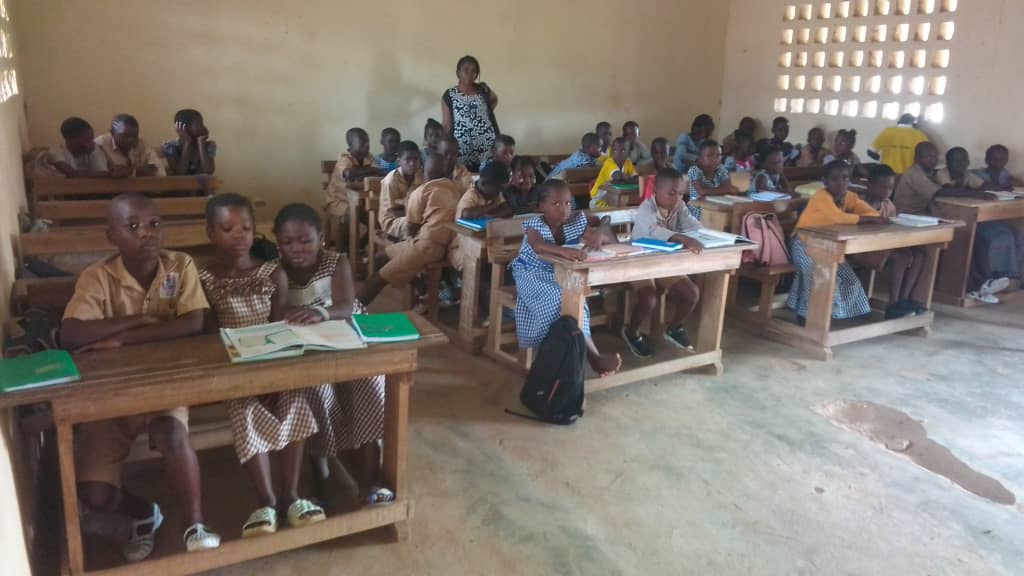
At Global Approach To Development we believe safe, nurturing schools are one of the strongest protective factors a community can offer its children. That is why we build them.